
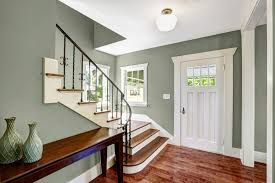
Safety For Home Sellers
Selling your home means opening your private space to people you’ve never met. Most visitors are legitimate buyers, but safety comes from structure, awareness, and a few simple habits.
1. Control the Schedule
You decide when your home is available.
A predictable rhythm keeps the process calm and safe.
Set specific showing windows that work for your life.
Avoid “drop‑ins” or last‑minute requests.
Confirm every showing before anyone arrives.
Keep a simple log of who is coming and when.
Never open the door to someone you weren’t expecting.
2. Control How People Enter
A clear access plan removes most safety risks.
Decide whether you will open the yuorself or use a lockbox
If using a lockbox, only share the code with confirmed visitors.
Never hand out keys access without structure.
Entry should always feel intentional, never casual
3. Prepare the Home Before Showing
Small steps create a safer enviornment
Put away valuables, jewelry, medications, and personal documents.
Remove anything with personal informatin (mail,calendars, photos)
Keep only the essentials visible.
Ensure all interior doors open and close smoothly.
A neutral space protects both your privacy and your safety.
4. Stay in a Position of Comfort
You don't need to "host" anyone.
Step outside, sit on the porch, or stay in a visible area.
Avoid walking buyers room-to-room.
Keep your phone with you at all times.
End the showing immediately if anything feels uncomfortable.
5. Track Who Comes Through
A simple record keeps everything clean and organized.
Time in/time out
Contact Method
Any notes about behavior or questions
You're not judging people - you're just staying aware
6. Protect Your Information
Buyers need to see the home, not your personal life.
Don't share why you're moving or your timeline.
Avoid discussing your job, schedule, or family details.
Keep conversaations neutral and property-focused.
Redirect gently if someone asks personal questions.
Your privacy is part of your safety
7. Trust Your Instincts If something feels off, treat it as real. Pause or cancel a showing at any time. Ask someone to leave without explanation. Change your access plan if anything feels uncomfortable. You never owe anyone a reason for protecting your space.
Your comfort is the priority. Always.
8. After Each Showing
A quick reset keeps the environemnt safe.. Walk through the home. Check doors and windows. Make sure nothing is out of place. Reset the home for the next showing A 60‑second check keeps everything predictable
